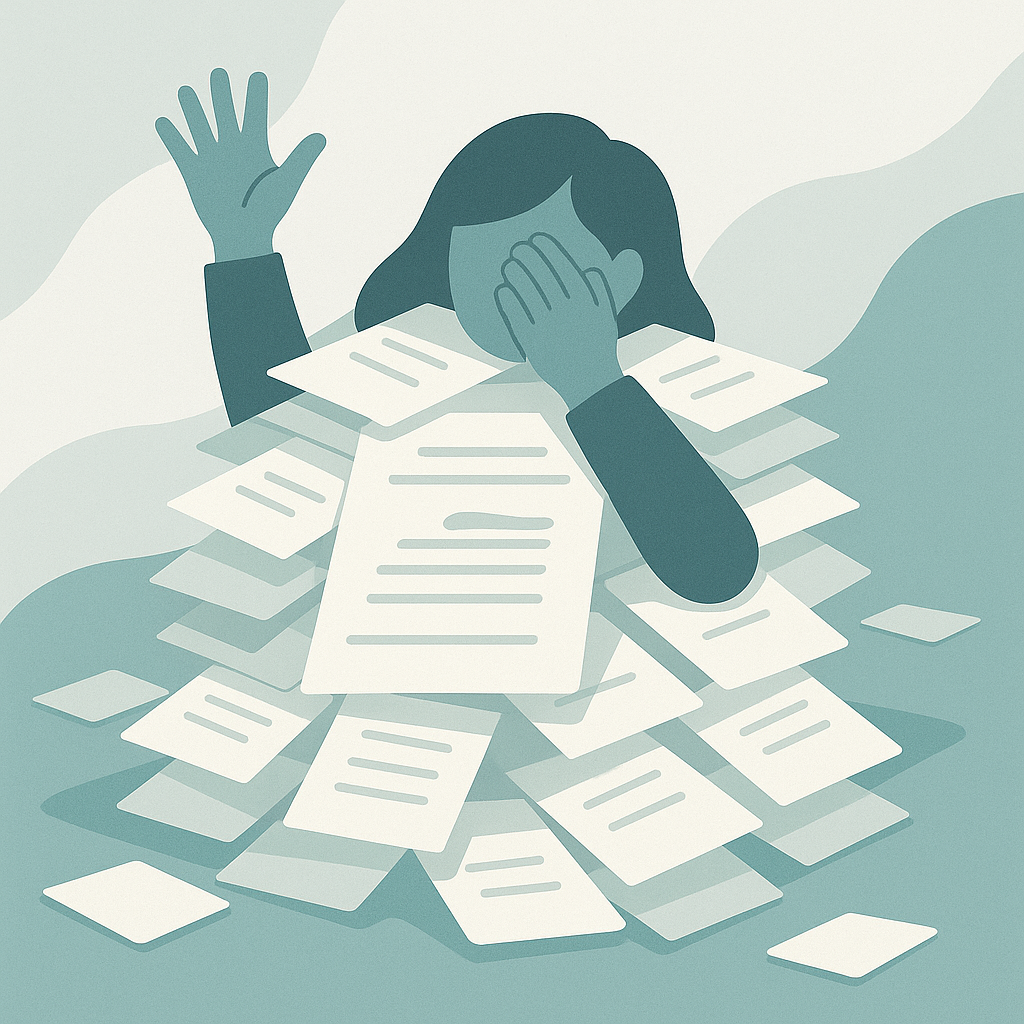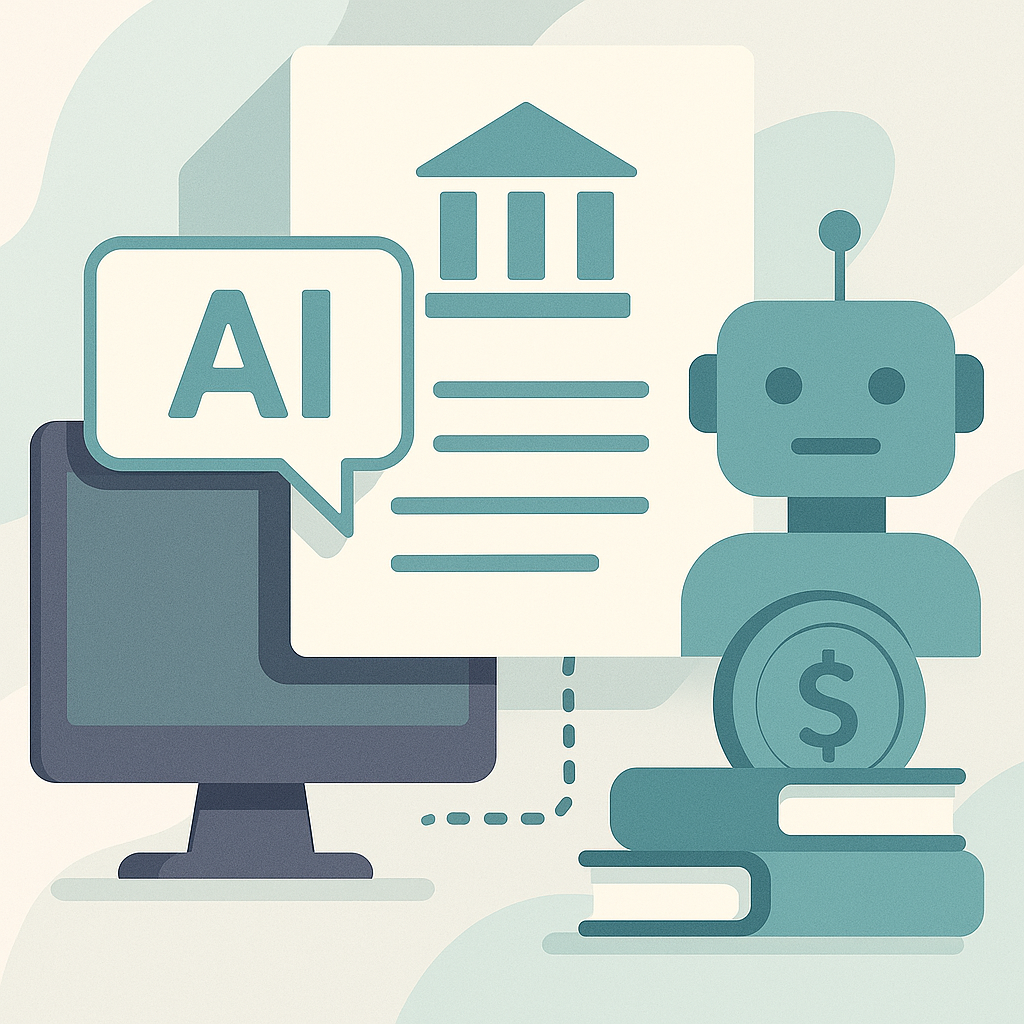
AI in regulatory drafting: A promise of efficiency and a peril of inaccuracy

The rise of Artificial Intelligence (AI) is no longer a futuristic fantasy; it’s a present-day reality that is reshaping industries, and the legal and regulatory field is no exception. A recent conversation with a colleague sparked a crucial question that many of us are grappling with: to what extent will AI replace humans in complex… Continue reading AI in regulatory drafting: A promise of efficiency and a peril of inaccuracy


The adequate labor legislation (II) – Employer’s version

When, in a relationship between two parties, the law favors one party over the other, it chooses to give preference to one right over another and consequently reduce the costs of one party at the expense of the other. Labor legislation in many countries is designed to protect employees; thus, the greater regulatory and cost… Continue reading The adequate labor legislation (II) – Employer’s version

The adequate labor legislation (I): Employee’s Version

Labor relations benefit from the good performance of all involved parties: the better the employee’s performance, the higher the company’s profits, and vice versa. However, problems often arise in this type of relationship when the employer is unable, due to cost issues (time and money), to directly supervise the employee and/or when the employee lacks… Continue reading The adequate labor legislation (I): Employee’s Version

Overregulation is corruption’s bff

Among the transaction costs involved in any economic activity, the costs of the administrative procedures that must be carried out to undertake that activity must also be considered. Therefore, the administrative procedures, and requirements established by legal provisions for the granting of authorizations, permits, licenses, etc., are relevant for individuals when deciding whether to carry… Continue reading Overregulation is corruption’s bff

Protection of property rights as an economic incentive

People respond to incentives. That is why they make decisions by comparing the negative and positive aspects of an activity, product, or service, and usually choose what produces more positive (benefits) or less negative (costs) outcomes. If the costs or benefits of, for example, a product change, people’s decisions regarding that product will likely change… Continue reading Protection of property rights as an economic incentive

The Problem of not identifying the Problem

Drafting a regulation without being aware of the problem it is intended to solve usually creates more problems than solutions. Therefore, the first step that a government must take before considering regulating is to determine what is the problem? Followed by what behaviors do we want to encourage or discourage? And finally what benefits do… Continue reading The Problem of not identifying the Problem

Two compatible truths: We love sports, and we are irrational

“My team is the best and it’s going to win.” It’s quasi-religious. Why don’t we all support the team that is statistically the best? Why do we cling so much to the team we choose? If we all thought like rational beings, these questions might not exist. Reality is a bit different. Considering the Olympics… Continue reading Two compatible truths: We love sports, and we are irrational

When the Law meets Economics

Human nature leads us to reject what we do not know. So, to avoid falling victim to this natural tendency, let us explain before getting into the subject matter, and let us do so in the simplest way possible: with an example. Rules guide our behavior Let’s imagine that the law tells us that regardless… Continue reading When the Law meets Economics